الزيتون
Travel guide
Cooking with olive oil
How to buy, store and cook with extra virgin olive oil — and why the myth that you should not fry with it is wrong.
You have learned where olive oil comes from, how it is made and how to taste it. Now for the practical part: how to buy a good bottle, keep it at its best and use it in the kitchen — including busting the stubborn myth that you shouldn't cook with extra virgin olive oil. Get these right and every meal improves.

Treat oil like a fresh food. Keep the bottle tightly closed, away from light, heat and air — a cool cupboard, not the windowsill or next to the stove. Buy a size you'll finish within a couple of months of opening. Don't refrigerate everyday oil (it clouds harmlessly, but it's unnecessary). A good tin, or a dark bottle in a dark cupboard, keeps oil singing for months.
The most damaging myth about olive oil is that its "low smoke point" makes it unfit for cooking. It is not true. Extra virgin olive oil has a smoke point of around 210 °C, comfortably above normal frying and sautéing temperatures (~180 °C). More importantly, smoke point is a poor guide to how an oil behaves when heated: what really matters is oxidative stability, and here olive oil excels, thanks to its monounsaturated fat and natural antioxidants. Study after study finds it among the most stable and safest oils for cooking — frying included. Much of its polyphenol content even survives the pan.
So: fry, roast, sauté and bake with it freely. The one sensible distinction is value — you might keep your finest, most aromatic bottle for finishing (raw, drizzled at the end) where its flavour shines, and use a good everyday extra virgin for the heat. But there is no need for a separate "cooking oil."
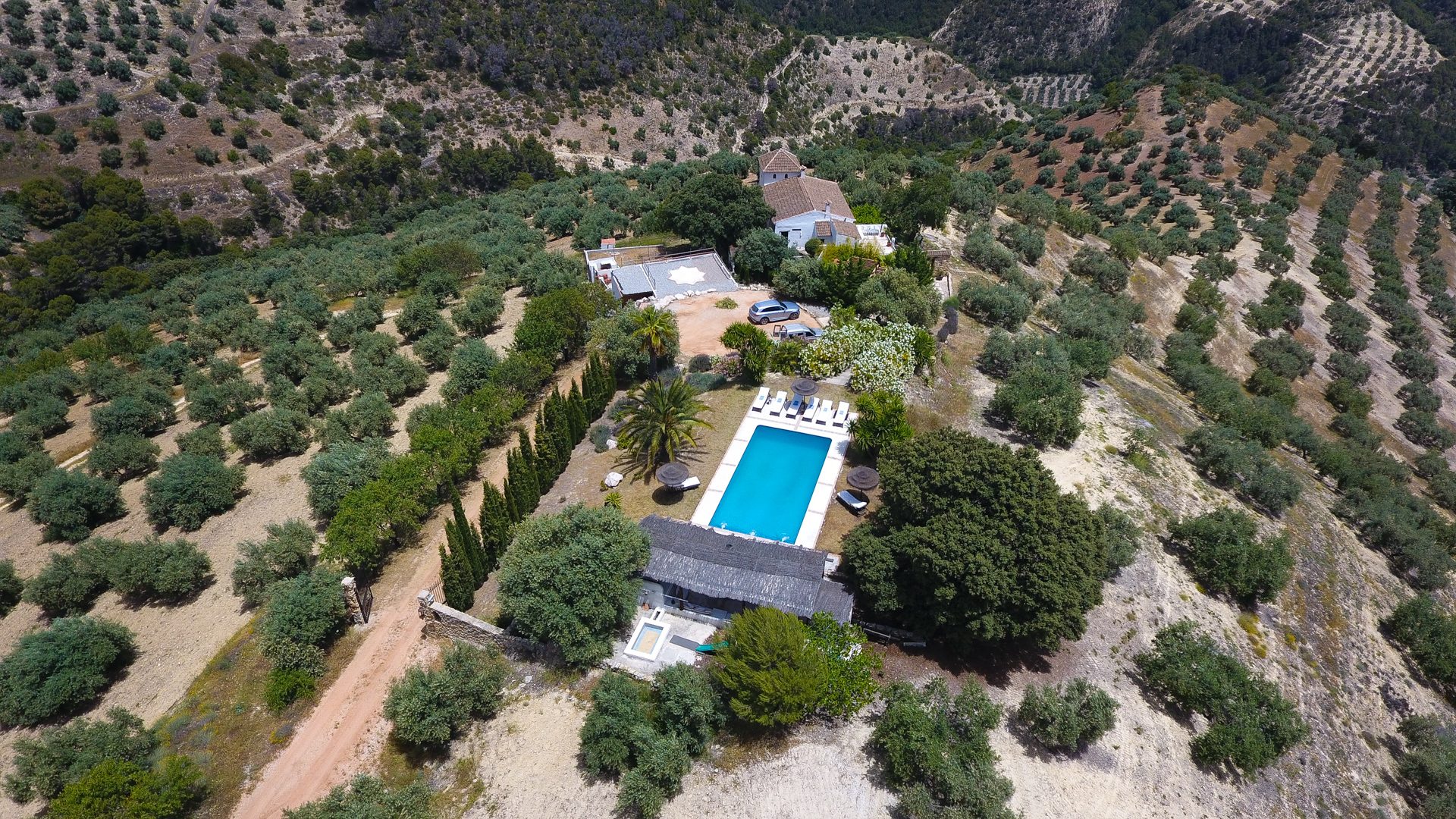
At Cortijo Bujio, the local Poniente de Granada oil is made for exactly this — a peppery green oil for cooking and finishing alike. Pick up a tin at a nearby mill or market to take a taste of the landscape home. (See olive oil around Montefrío.)
Can you cook and fry with extra virgin olive oil?
Yes. Its smoke point (~210 °C) is above frying temperature, and its real strength is oxidative stability — it is among the safest oils to heat. Frying in olive oil is a Mediterranean tradition.
How should I store olive oil?
Tightly closed, away from light, heat and air — a cool, dark cupboard, in dark glass or tin. Use it within a few months of opening; it does not improve with age.
How long does olive oil keep?
It is best within about 18 months of harvest and a couple of months of opening. Buy a recent harvest and a size you will finish; freshness is everything.
Should I use a cheaper oil for cooking and save the good one?
You can keep your most aromatic bottle for finishing dishes raw, where its flavour shows, and use a good everyday extra virgin for heat — but you never need refined "cooking oil."
---
Cortijo Bujio puts the region's oil on your table. Read on: The Great Olive Varieties, How to Taste Olive Oil and olive oil around Montefrío.
Sources: International Olive Council; UC Davis Olive Center ("Olive Oil Myths and Facts"); on olive-oil stability and smoke point.