المائدة
Travel guide
Granada wine
Granada wine
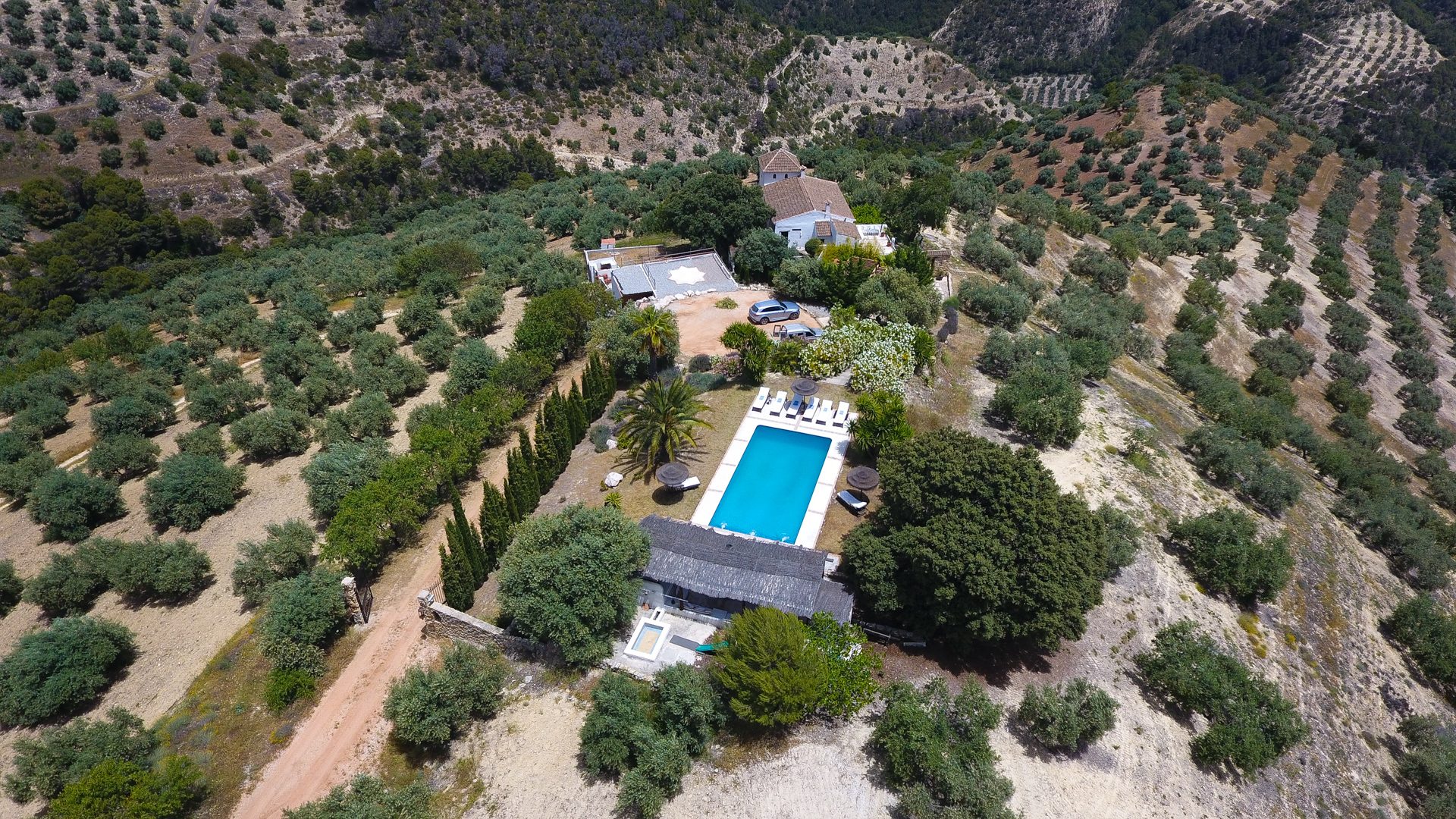
Cortijo Bujio stands at about 1,300 metres above the sea — and it turns out that is exactly the altitude at which Granada makes some of the most remarkable wine in Europe. Olive oil and cheese are the region's famous products, but wine is its best-kept secret: high, wild, mineral wines grown on mountain terraces in the thin bright air below the Sierra Nevada, from grapes almost no one outside Andalusia has heard of. Here is the story, and where to taste it.

The province of Granada has grown vines since antiquity, but only recently has the wider world noticed. Granada earned Vino de Calidad status in 2009 and full Denominación de Origen (DO Granada) in 2018, a protected origin spread across some 168 municipalities. What sets it apart is simple: altitude. The average vineyard sits at around 1,200 metres, among the highest in Europe, and in the Contraviesa-Alpujarra hills to the south of Granada, terraced plots approach 1,400 metres — some of the highest vineyards in all of continental Europe.
Height changes everything. Hot Andalusian days ripen the grapes fully, but cold nights and fresh draughts off the snow of the Sierra Nevada preserve acidity and drive the vines to produce more polyphenols — giving the wines colour, structure and a bright, mineral freshness you rarely find at Spain's lower, hotter vineyards. Your villa sits at the same elevation as these vines; the air that keeps the wine fresh is the air on your terrace.
The romantic heart of Granada wine is the Sierra de la Contraviesa, in the Alpujarra — the string of white villages on the southern flank of the Sierra Nevada. Here, gnarled old bush vines grow on dark slate soils, often several grape varieties planted together in the same field, tended much as they were a century ago. Many of these vines survived the phylloxera plague that destroyed most of Europe's vineyards, because the sandy, high, isolated soils kept the pest at bay — so some of what grows here is genuinely ancient stock.
Alongside familiar international varieties — Tempranillo, Garnacha, Syrah, Cabernet, Chardonnay — Granada is reviving its own native grapes, and this is where it gets exciting:
These are wines with a sense of place you simply cannot buy from a supermarket brand.
Barranco Oscuro (Cádiar). The legend of high-altitude Andalusian wine. Its vineyards sit between 1,300 and 1,368 metres — the plot called Cerro de las Monjas reaches almost 1,400 m, among the very highest in continental Europe. Founded on a cortijo whose winemaking dates back to 1873 (just four years before Cortijo Bujio), it was reborn from 1980 when Manuel Valenzuela pioneered natural wine here — no chemicals, no additives, spontaneous fermentation with wild yeasts. Guided visits and tastings can be arranged (minimum six people).
Alquería de Morayma (Cádiar). A small, characterful Alpujarran estate producing around 9,000 bottles a year — and one of the few places where you can visit, taste and even stay among the vines, deep in the white-village country.
Honest geography: the great high-altitude vineyards are in the Alpujarra, on the far side of the Sierra Nevada — roughly a 1.5–2 hour drive from Montefrío, and best enjoyed as a full day out combined with the white villages of Pampaneira, Bubión and Capileira. The Ruta de los Vinos de Granada (Granada wine route) links the bodegas for visits and tastings; book ahead. Closer to home, you'll find DO Granada wines on good restaurant lists and in wine shops in Granada city (45–60 minutes), so you can taste the region without the drive.
However you get to them, these wines belong on your villa table. A high-altitude Granada red or a mineral Vijiriega white, with a board of Montefrío goat cheese, local olive oil, bread and cured lomo, is the whole landscape around you in a single meal. (See our guides to Montefrío cheese and olive oil.)
Does Granada really make good wine?
Yes — increasingly celebrated wine. Granada earned full Denominación de Origen status in 2018, and its high-altitude vineyards produce fresh, structured, mineral wines that are winning serious attention.
Are these really among continental Europe's highest vineyards?
Yes. Granada's vineyards average around 1,200 m, and in the Contraviesa-Alpujarra they approach 1,400 m — among the highest in continental Europe. Cortijo Bujio sits at a similar altitude, about 1,300 m.
What grapes should I look for?
The native white Vijiriega is the star of Granada's revival; also look for old Alpujarran varieties like Jaén and Romé, alongside Tempranillo, Garnacha and Syrah.
Can I visit a winery?
Yes. Bodegas such as Barranco Oscuro and Alquería de Morayma in Cádiar (Alpujarra) offer visits and tastings — book ahead. The Alpujarra wine country is about 1.5–2 hours from the villa, ideal combined with the white villages. DO Granada wines are also widely available in Granada city, 45–60 minutes away.
---
Cortijo Bujio sits at 1,300 m — the altitude of Granada's finest vineyards. See also our guides to Montefrío cheese, olive oil, fine dining and the best day trips.
Sources: DOP Vinos de Granada (dopvinosdegranada.es); Granada (wine), Wikipedia; Foods & Wines from Spain (ICEX) on D.O. Granada; Bodega Barranco Oscuro (barrancooscuro.com) and Ruta de los Vinos de Granada; Piccavey, "Granada Wine" guide